When Should You Repair or Replace Old Plumbing Pipes
Repair makes sense for isolated failures on pipes under 40 years old. Replace when you're seeing repeat leaks, rusty water, or original galvanized or polybutylene lines.
You should repair old plumbing pipes when the failure is isolated, the pipe material still has service life left, and you are not seeing repeat problems elsewhere in the system. You should replace them when the pipes are original galvanized steel, polybutylene, or past 50 years old, or when you have paid for three or more leak repairs in the same run of pipe within two years. That is the whole decision in two sentences. The rest of this post walks through the material lifespans, the specific warning signs we see in Lancaster homes, 2026 repiping costs, and the mistakes that turn a $400 repair into a $12,000 water-damage claim.
The Short Answer: Repair vs. Replace
Repair or replace old plumbing pipes Lancaster PA homeowners ask about is a decision that comes down to three numbers: the age of the pipe, the number of failures, and the cost of the next failure. If a pipe is under 40 years old and this is the first leak, repair it. If the pipe is original to a 1920s rowhouse on Duke Street and this is the third pinhole leak this year, replacing that run is cheaper than continuing to patch it.
We tell customers to think about it like tires. One flat is a patch. Four bald tires with sidewall cracks is a new set. Plumbing works the same way. A single joint that failed because of a bad solder job is a repair. A whole system of thin-walled galvanized pipe that is rusting from the inside out is a replacement.
The threshold most plumbers use is three repairs on the same pipe run in 24 months. Once you cross that line, the odds of a fourth failure within a year go up sharply, and each repair opens the wall again. At that point you are paying labor over and over for a pipe that is telling you it is done.
How Old Is Too Old? Pipe Material and Lifespan
Pipe material, not the calendar, is the real clock. Two houses built in the same year can have completely different plumbing if one was repiped in the 1990s and the other was not. Here is what we find in Lancaster County homes and how long each material actually lasts.
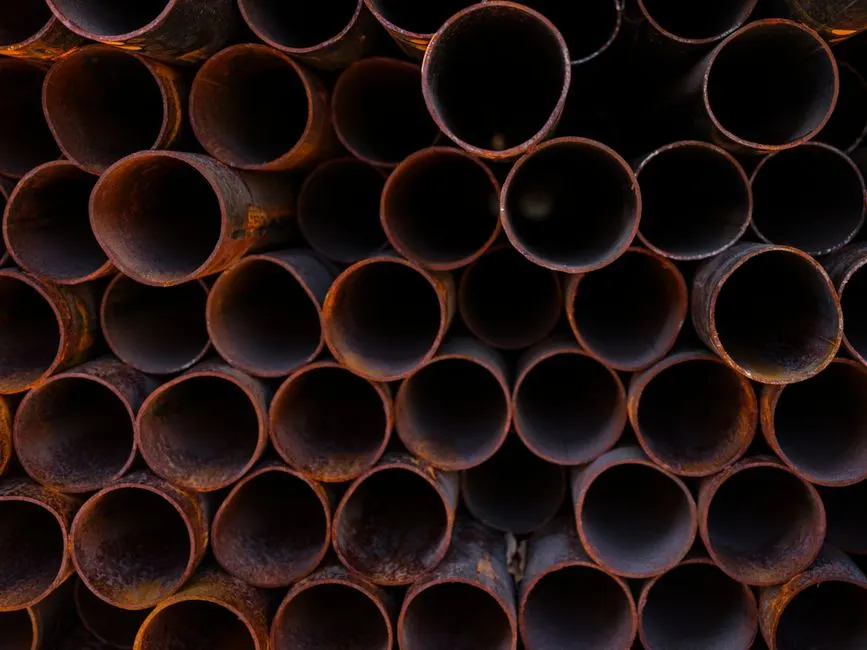
- Galvanized steel: 40 to 50 years. Common in homes built before 1960. Rusts from the inside, narrows over time, and eventually pinches off flow.
- Polybutylene (gray plastic): 10 to 25 years. Used from the late 1970s into the mid-1990s. Fails at the fittings and is a known insurance red flag.
- Copper: 50 to 70 years. Still the gold standard. Can fail early in areas with aggressive water chemistry, which is why we test water before assuming copper is fine.
- PEX: 40 to 50 years. The current standard for repiping. Flexible, freeze-resistant, and easy to route through old walls.
- Cast iron drain lines: 50 to 75 years. Rusts and cracks at the bottom of the horizontal runs. Common in pre-war Lancaster homes.
If your home still has its original galvanized supply lines, you are on borrowed time. We see this constantly in Emergency Plumber in Downtown Lancaster, where rowhouses from the 1890s to the 1930s still have the steel pipe that was installed when the house was built. Those pipes are now 90 to 130 years old. They are not going to get better.
Signs You Need Repiping in Lancaster Homes
Signs you need repiping in Lancaster homes show up long before a pipe bursts. The problem is most homeowners write them off as quirks. Here are the ones that should get your attention.
Water Quality and Pressure Symptoms
- Brown or rust-colored water, especially first thing in the morning.
- Metallic taste in the water even after running the tap for a minute.
- Pressure that drops noticeably when two fixtures run at once.
- Water that takes longer than 30 seconds to get hot at the kitchen sink.
Physical and Structural Symptoms
- Pinhole leaks that keep appearing in different spots on the same pipe.
- Visible corrosion, green crust on copper, or white scale at joints.
- Damp drywall, bubbling paint, or a musty smell in a basement or crawlspace.
- Water meter that spins with every fixture shut off.
That last one is the test we run first on any suspected hidden leak. Shut off every fixture, watch the meter for 15 minutes. If the dial moves, water is escaping somewhere. Our leak detection and repair Lancaster PA team uses acoustic listening equipment and thermal imaging to pinpoint the leak without tearing open every wall in the house.
If you are seeing any of these signs, the pipe is telling you something. Ignoring a pinhole leak in a supply line is how a $300 repair becomes a $9,000 insurance claim after the ceiling comes down.
What Does Repiping Cost in Lancaster PA?
Repiping cost Lancaster PA homeowners pay in 2026 runs from about $4,500 for a small single-story home to $15,000 or more for a large two-story with multiple bathrooms and a finished basement. The national average sits around $8,000, and Lancaster tends to land slightly below that because our housing stock is smaller on average than newer Sun Belt builds.
Here is how the pricing breaks down:
- Partial repipe (one run or one bathroom): $1,200 to $3,500.
- Whole-house PEX repipe, 1,500 sq ft home: $4,500 to $7,500.
- Whole-house PEX repipe, 2,500+ sq ft home: $8,000 to $15,000.
- Copper repipe: 30 to 50 percent more than PEX, mostly material cost.
- Drain line replacement (cast iron to PVC): $3,000 to $10,000 depending on how much floor has to come up.
Compare that to the cost of a single emergency repair. A burst pipe call in Lancaster runs $350 to $900 for the plumbing work alone. Add water extraction, drywall, flooring, and possibly a mold remediation, and a single burst can clear $10,000. Three of those over five years and you have paid for a repipe twice.
One more number worth knowing: most homeowner policies will cover the water damage from a sudden burst but will not cover the pipe replacement itself, and some carriers are now refusing to insure homes with polybutylene or active galvanized systems. If your insurer has asked about pipe material, that is your answer about whether it is time to replace.
Common Mistakes Homeowners Make
The most expensive mistake we see is patching a pipe that should have been replaced. A homeowner gets a pinhole leak fixed, then another one six months later, then a third. Each repair is $250 to $500. By the time they call us for a repipe, they have spent $1,500 on patches and the wall has been opened three times.
Other mistakes that cost real money:
- Ignoring the water bill. A slow hidden leak can add $40 to $80 a month. Over a year that is a repipe down payment.
- Using chemical drain cleaners on old cast iron. The acid eats the already-thin pipe wall. If your drains are slow, call for drain cleaning Lancaster PA instead of pouring caustic soda down the line.
- Repiping only the visible pipes. The pipes behind the finished walls are the ones that fail. A partial repipe that skips the second-floor bathroom is money wasted.
- Not testing water chemistry first. If your water is aggressive, new copper will fail the same way the old copper did. We test before we quote.
- Waiting for a burst. A planned repipe costs a fraction of an emergency repipe plus water damage. Schedule it in spring or fall, not in January at 2 a.m.
We also see homeowners in Emergency Plumber in Elmwood put off repiping because the house is older and they assume every old house has bad pipes. That is not true. Some Elmwood homes were repiped in the 1980s and are fine. The only way to know is to look at the actual pipe, not the build date on the deed.
When to Call a Professional
Call a professional the moment you find water where it should not be, smell gas, or see a pressure drop that did not exist last month. Those are the three signals that separate a maintenance item from an emergency.
For repiping decisions specifically, get a professional opinion before you commit to either path. A plumber can scope the line, check water chemistry, and tell you whether you are looking at a $400 repair or a $6,000 repipe. That assessment takes about an hour and costs far less than guessing wrong.
Our team at Lancaster Plumbing Pros handles both sides of this. We repair what is worth repairing, and we tell you honestly when replacement is the better spend. If you are also dealing with a failing water heater on top of aging pipes, we can look at both in the same visit. A 12-year-old tank is at the end of its life, and water heater repair Lancaster PA on a unit that old is usually a bridge to replacement, not a fix.
If the issue is a burst line right now, shut off the main and call us. Our emergency plumbing service Lancaster PA runs 24 hours, and we carry the parts to stop the water and get your house dry.
Frequently Asked Questions
How do I know if I need to replace old plumbing pipes in Lancaster PA?
Replace if your pipes are galvanized steel, polybutylene, or over 50 years old, or if you have had three or more leaks on the same run in two years. Repair is fine for a single isolated failure on copper or PEX under 40 years old.
Should I repair or replace old pipes in Lancaster Pennsylvania?
Repair when the failure is isolated and the rest of the system is sound. Replace when the material is obsolete or failures are recurring. A one-hour assessment with a licensed plumber gives you the answer for your specific house.
How much does repiping cost in Lancaster PA?
In 2026, expect $4,500 to $15,000 for a whole-house PEX repipe depending on size and accessibility. Partial repipes run $1,200 to $3,500. Copper costs 30 to 50 percent more than PEX.
What are signs of old plumbing pipes in Lancaster?
Brown water, metallic taste, low pressure when two fixtures run, pinhole leaks, green or white corrosion at joints, and a water meter that spins with everything off. Any two of these together warrant an inspection.
Who does repiping in Lancaster PA?
Lancaster Plumbing Pros repipes homes across the city and surrounding areas, including Downtown, Elmwood, and Millersville. We handle supply lines, drain lines, and the drywall patching that follows.
Get Help with Emergency Plumber in Lancaster
Whether you need a single leak repaired or a whole-house repipe, we can tell you which one makes sense for your home and your budget. Call Lancaster Plumbing Pros at (855) 633-0503 and we will get eyes on the pipe today.