What Causes Low Water Pressure in Lancaster Homes
Low water pressure in Lancaster homes usually comes down to a bad pressure regulator, corroded galvanized pipes, or a hidden leak. Here's how to tell which one you have.
Low water pressure in Lancaster homes is almost always caused by one of five things: a failing pressure-reducing valve, mineral scale or corrosion inside galvanized or older copper pipes, a hidden leak on the service line, a partially closed shutoff valve, or a municipal supply issue on your block. If your shower suddenly feels like a drizzle or your kitchen tap takes 30 seconds to fill a coffee pot, the cause is usually mechanical and fixable - not something you have to live with.
We run into this call several times a week across Lancaster, and the fix is usually faster than homeowners expect. Below we walk through what causes low water pressure in Lancaster homes, how to narrow it down yourself in about 15 minutes, and when it's time to bring in a licensed plumber.
Why Is My Water Pressure Low in Lancaster PA?
Low water pressure in Lancaster PA is a symptom, not a diagnosis - the pressure drop is telling you something upstream of your faucet is restricting flow. Lancaster city water enters most homes at 60 to 80 PSI, and the municipal system itself is generally reliable. When pressure drops inside your house, the problem is almost always on your side of the meter.
That distinction matters because it changes who pays for the repair. If your neighbor's pressure is fine and yours isn't, the issue is on your property. If three houses on your block all lost pressure the same morning, call the city water authority first - that's a main-line problem, not a plumbing problem.
One definition worth knowing: low water pressure is a measurable drop in the force of water coming out of your fixtures, usually below 40 PSI at the tap, that makes showers, dishwashers, and washing machines underperform or fail to run at all.
The Most Common Causes of Low Water Pressure in Lancaster
Lancaster has a housing stock that ranges from 1890s rowhouses in the city to 1990s subdivisions out toward Millersville, and the causes of low water pressure in Lancaster tend to track the age of the home. Here's what we actually find when we open up a wall or pull a fixture.
1. A failing pressure-reducing valve (PRV)
If your home was built after 1985, you almost certainly have a PRV where the main line enters the house. It's a bell-shaped brass valve that steps incoming pressure down from the street to a safe 50-60 PSI. They last 10 to 15 years. When the diaphragm inside wears out, pressure at every fixture in the house drops at the same time. That's the tell - one fixture is a clog, every fixture is a PRV.
2. Galvanized steel pipes that have scaled shut
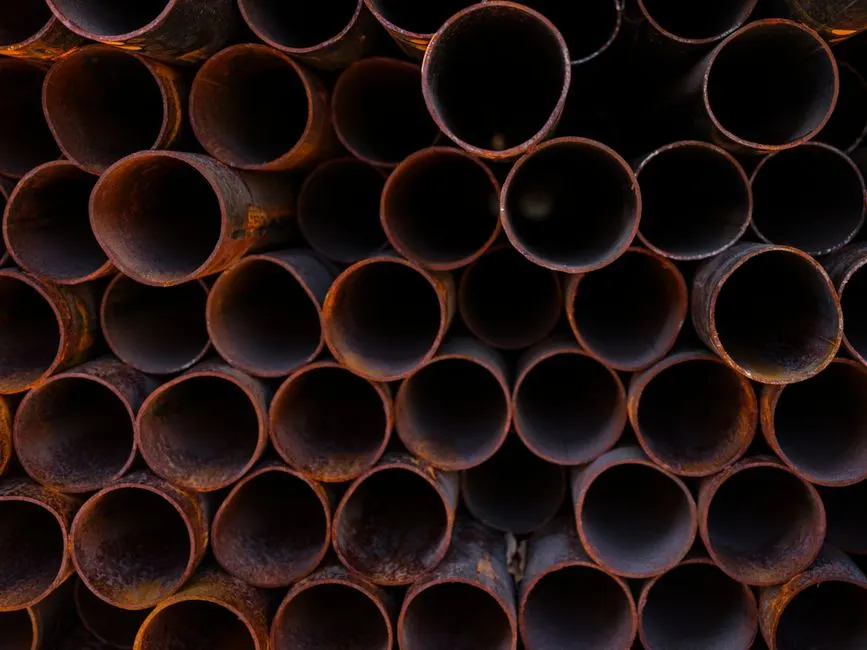
Plenty of Lancaster homes still have original galvanized steel supply lines, especially in the older blocks around Emergency Plumber in Downtown Lancaster. Galvanized pipe rusts from the inside out. After 50 or 60 years, the interior diameter can shrink from 3/4 inch to less than 1/4 inch. You get decent pressure in the morning and almost nothing by evening because the pipe is choked with rust and mineral deposits.
3. A hidden leak on the service line
A leak between the meter and the house steals pressure before the water ever reaches a fixture. You may not see a puddle - slab leaks and yard-line leaks can run for months underground. Watch your water bill. A jump of 2,000 to 5,000 gallons in a month with no change in habits is a leak, not a coincidence.
4. A partially closed or failing shutoff valve
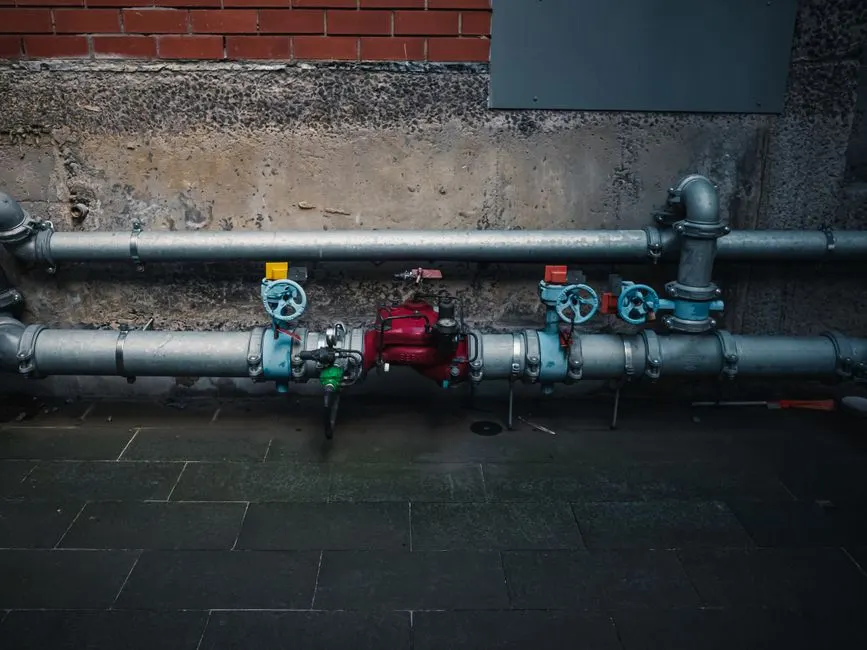
Every fixture has a shutoff valve under it, and every home has a main shutoff. Gate valves that haven't been turned in 20 years seize half-open. If a plumber worked on your kitchen sink last year and didn't fully reopen the valve, you'd get low pressure at that one tap and nowhere else.
5. Clogged aerators and cartridge screens
Before you call anyone, unscrew the aerator off the end of the faucet. In Lancaster's water, those screens collect calcium and grit fast. A $3 aerator can restore full pressure in five minutes. It's the cheapest fix on this list and the one we see most often on single-fixture complaints.
How to Tell Which Cause You're Dealing With
You can narrow down the cause of low water pressure in your Lancaster home in about 15 minutes with no tools beyond a wrench and a bucket. Work through this in order.
- Check every fixture. One tap low = clog or valve. Every tap low = PRV, main line, or supply problem.
- Check hot vs. cold. Low hot water only points to your water heater or its inlet. Low both = supply side.
- Ask a neighbor. If they're low too, call the water authority. If they're fine, it's your line.
- Read the meter. Shut off every fixture in the house and watch the low-flow indicator on your meter for 10 minutes. If it moves, you have a leak.
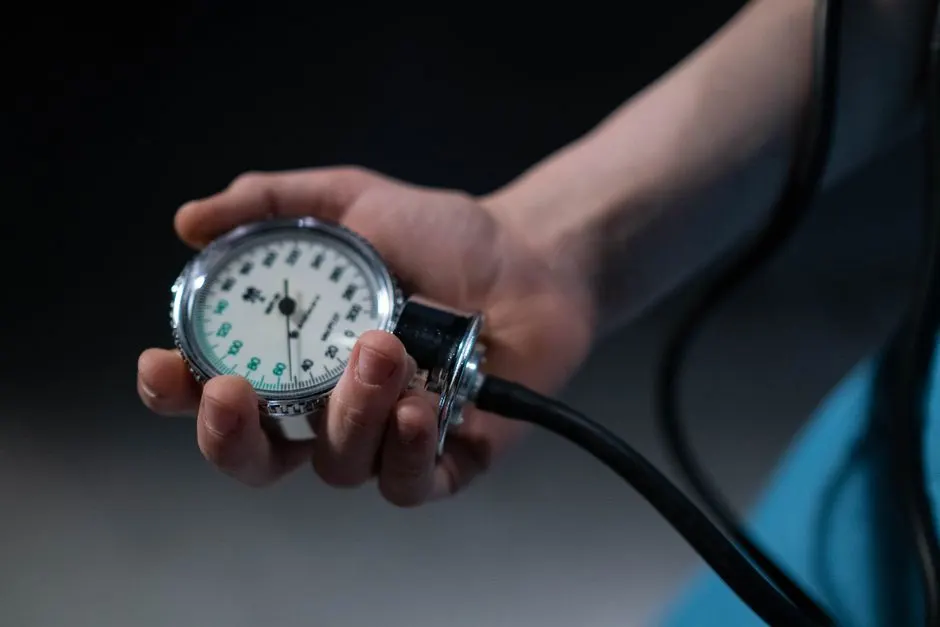
- Test the pressure. A $15 screw-on gauge at a hose bib tells you exactly what PSI you're getting. Under 40 PSI is a problem. Over 80 PSI is a different problem - that's high pressure, and it destroys fixtures.
If you get through step five and you're still not sure, that's the point where a professional diagnosis saves you money instead of costing it. We find the cause, fix it, and test the line before we leave.
How to Fix Low Water Pressure in Lancaster Pennsylvania
The low water pressure fix in Lancaster Pennsylvania depends entirely on which cause you've got - and the cost range swings widely because of that. Here's what typical 2026 pricing looks like in this area.
- Aerator or cartridge screen cleaning: $0 if you do it yourself, $75-$125 if we come out.
- Pressure-reducing valve replacement: $250-$550 installed, depending on access and valve size.
- Single shutoff valve replacement: $150-$300.
- Leak detection and repair on a service line: $400-$1,800 depending on depth and whether we have to open a slab or dig a trench.
- Repiping a section of galvanized supply line: $1,200-$4,500 for a partial repipe; a full-house repipe runs $6,000-$12,000.
If your pressure loss is coming from a leak you can't see, our team handles leak detection and repair Lancaster PA with acoustic and thermal equipment so we're not guessing at where to cut. If the diagnosis points to the main line or a sewer-adjacent issue, we also cover sewer repair Lancaster PA for the properties where the two problems overlap.
One thing we tell every homeowner: don't replace the PRV and repipe the house in the same visit. Diagnose first. Nine times out of ten, one repair solves the whole problem.
What to Watch Out For
Low water pressure is one of those problems where the wrong fix costs more than the right one. These are the mistakes we see homeowners make before they call us.
- Turning up the PRV to compensate. Cranking the valve past 80 PSI to force better flow will blow out your water heater's pressure relief valve and stress every supply line in the house. It's a temporary fix that creates an emergency.
- Assuming it's the water heater. If hot and cold are both low, the water heater isn't the problem. Replacing it won't help.
- Ignoring a rising water bill. That's the single clearest signal of a hidden leak, and leaks get more expensive the longer they run.
- Using chemical drain cleaners on a pressure problem. They don't touch supply-side pressure and they eat through older pipes. If you've got a slow drain on top of low pressure, that's a separate issue - our drain cleaning Lancaster PA service handles it without harsh chemicals.
- Letting a small drip run. A pinhole leak in a copper line under a slab can drop your whole house's pressure and rot the subfloor before you notice.
When to Call a Professional
Call a professional when the pressure drop hits every fixture in the house, when your water bill jumps without explanation, or when you've cleaned the aerators and nothing changed. Those three signals point to something behind the wall, and that's not a job for a YouTube tutorial.
We're a state-licensed plumbing contractor serving Lancaster and the surrounding neighborhoods, and low-pressure diagnostics are one of the calls we run most. If you're in one of the older blocks near Emergency Plumber in Elmwood or out toward Emergency Plumber in Millersville, we know the pipe materials and water conditions you're dealing with because we work on them every week.
If the pressure loss came on suddenly and you also see water where it shouldn't be, treat it as urgent. Our emergency plumbing service Lancaster PA runs 24 hours, and we'll tell you on the phone whether it can wait until morning or needs someone tonight.
Frequently Asked Questions
Why is my water pressure low in Lancaster PA?
The most common causes in Lancaster are a worn-out pressure-reducing valve (lasts 10-15 years), corroded galvanized supply pipes in pre-1970 homes, a hidden leak on the service line, or a partially closed shutoff valve. If every fixture is low, suspect the PRV or main line. If one fixture is low, suspect a clogged aerator or a bad local valve.
How can I fix low water pressure in my Lancaster home?
Start with the cheap fixes: unscrew and clean the aerators, check that all shutoff valves are fully open, and test pressure with a $15 gauge at a hose bib. If pressure is under 40 PSI at every fixture, you need a plumber to test the PRV and check for leaks. Most single-fixture fixes take under 30 minutes.
Who repairs low water pressure in Lancaster Pennsylvania?
A licensed plumbing contractor with diagnostic equipment - pressure gauges, acoustic leak detection, and camera inspection. Lancaster Plumbing Pros handles low-pressure diagnosis and repair across the city and surrounding areas, including PRV replacement, leak detection, and partial repiping. Call (855) 633-0503 and we'll schedule a diagnostic visit.
Does low water pressure mean a plumbing problem in Lancaster?
Usually yes, but not always. If your neighbors have normal pressure and only your home is affected, it's a plumbing problem on your side of the meter. If multiple homes on your block lost pressure at the same time, it's likely a municipal supply issue and you should call the water authority first.
How much does low water pressure repair cost in Lancaster PA?
Typical 2026 pricing in Lancaster runs $75-$125 for a diagnostic visit, $250-$550 for a pressure-reducing valve replacement, $400-$1,800 for a service-line leak repair, and $1,200-$4,500 for a partial repipe of galvanized supply lines. The diagnostic determines which of those you actually need.
Get Help with Emergency Plumber in Lancaster
If your pressure has dropped and you can't find the cause, we'll come out, diagnose it properly, and fix it - usually in a single visit. We're a local Emergency Plumber Lancaster PA team, and low-pressure calls are one of the things we do best.
Call (855) 633-0503 and we'll get a technician to your door.